Hario • Coffee
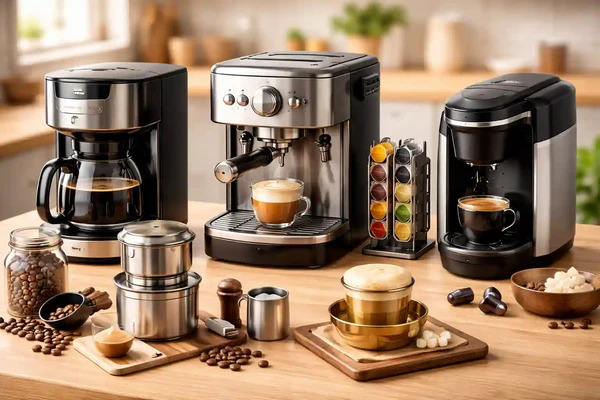
Find the perfect coffee maker for your lifestyle, budget, and skill level. From beginner-friendly drip machines to professional-grade espresso setups.
Choosing a coffee machine is not about finding the single “best” model—it is about matching a brewing method, level of automation, and budget to how you actually drink coffee day after day.
This guide walks you from the simplest and cheapest brewer (Hario V60) to the most luxurious superautomatic (Jura Z10), grouped by use case and price band.
Before looking at machines, answer these four questions honestly:
What do you actually drink most?
How much effort do you accept?
How many people and how many cups per day?
What is your realistic budget—including grinder?
A good grinder matters more to taste than a slightly better machine. For espresso, allocating 30–50% of your total budget to the grinder is essential advice.
If you want to spend as little as possible and are willing to be hands-on, manual brewers give you the highest flavor-per-dollar.
Best for: Curious beginners who enjoy a brewing ritual and want café-quality filter coffee on a tiny budget.
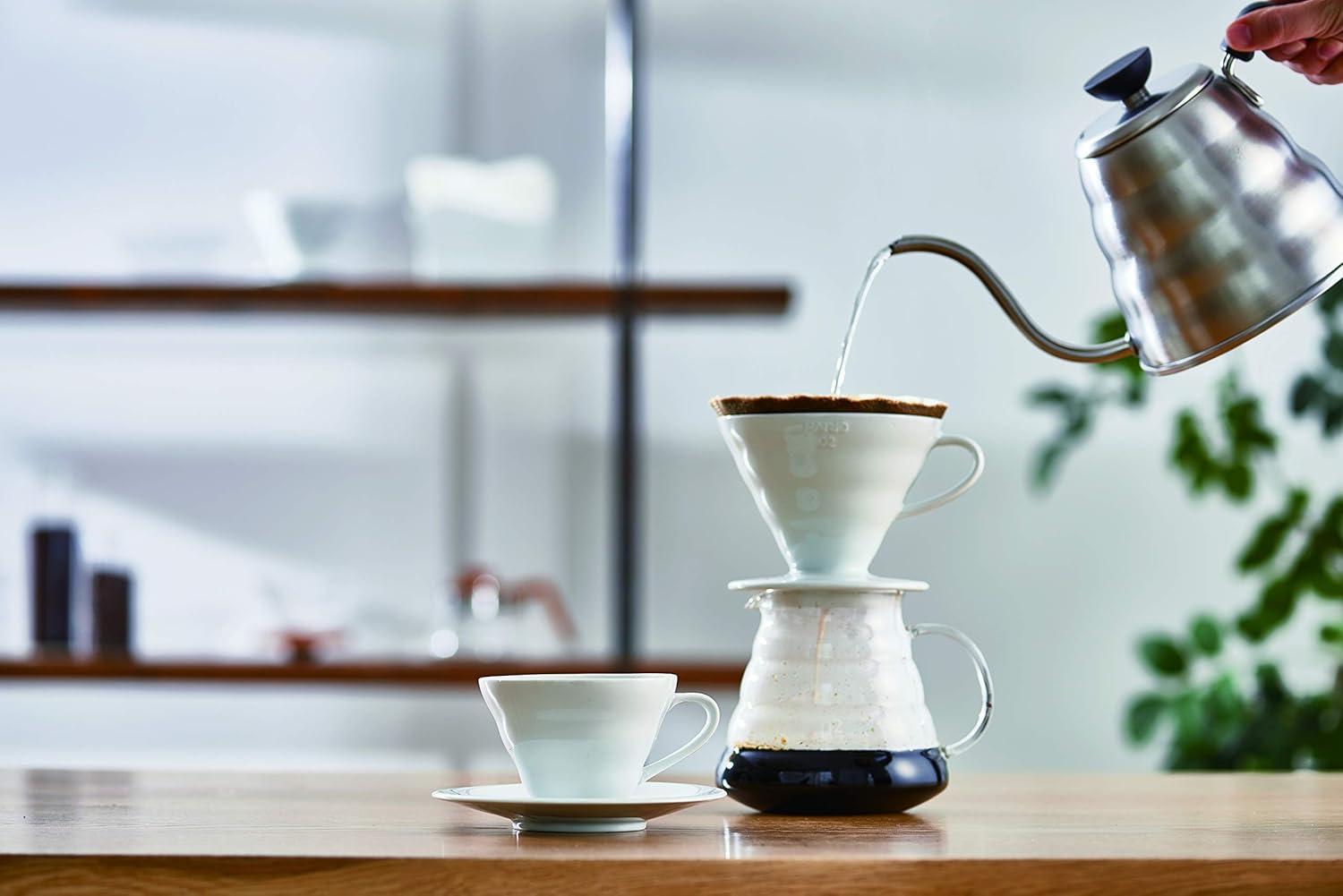
The Hario V60 is a cone dripper, carafe, and filters kit that lets you brew pour-over coffee directly into a server. It is cheap, modular, and capable of extremely high cup quality once you learn basic technique.
Pros:
Cons:
Best for: Travelers, students, and anyone who wants fast, forgiving, great coffee in a single cup.
The AeroPress is a compact brewer that combines immersion and gentle pressure to produce a smooth, low-bitterness cup. It brews in under 2 minutes and is nearly unbreakable.
Pros:
Cons:
If you just want hot coffee ready in the morning, with minimal fuss, classic programmable drip machines are still the best value.
Best for: Households that want decent coffee on a timer and do not care about specialty-coffee precision.
These are 10–12-cup drip brewers with timers, hot plates, and simple controls. Inexpensive, reliable, and familiar.
Pros:
Cons:
This is where most power users land when they primarily drink black coffee: SCA-style automatic brewers that prioritize extraction quality and durability.
Best for: Buyers who want a near-indestructible machine that simply makes excellent coffee for a decade or more.
The Moccamaster is a handmade Dutch drip brewer that heats water quickly and consistently, often cited as an industry standard. It has an extremely durable construction and a “buy it for life” reputation.
Pros:
Cons:
Best for: Coffee-focused buyers who want SCA-grade coffee but have limited budget and counter space.
A compact, certified brewer designed for both single-serve and carafe brewing. Often described as the best value SCA-certified brewer.
Pros:
Cons:
Best for: Households that want drip coffee, iced coffee, and simple milk drinks from a single machine.
A versatile coffee maker with 6 brew sizes and 4 brew styles, including “Over Ice” and a concentrated “Specialty Brew.”
Pros:
Cons:
Best for: Tinkerers who want to treat their drip machine like a lab instrument.
An advanced programmable brewer with multiple modes, adjustable temperature, bloom time, and flow rate.
Pros:
Cons:
These are next-generation brewers designed to match top manual pour-over in an automated form.
Best for: Enthusiasts who want pour-over quality at the press of a button, with strong design aesthetics.
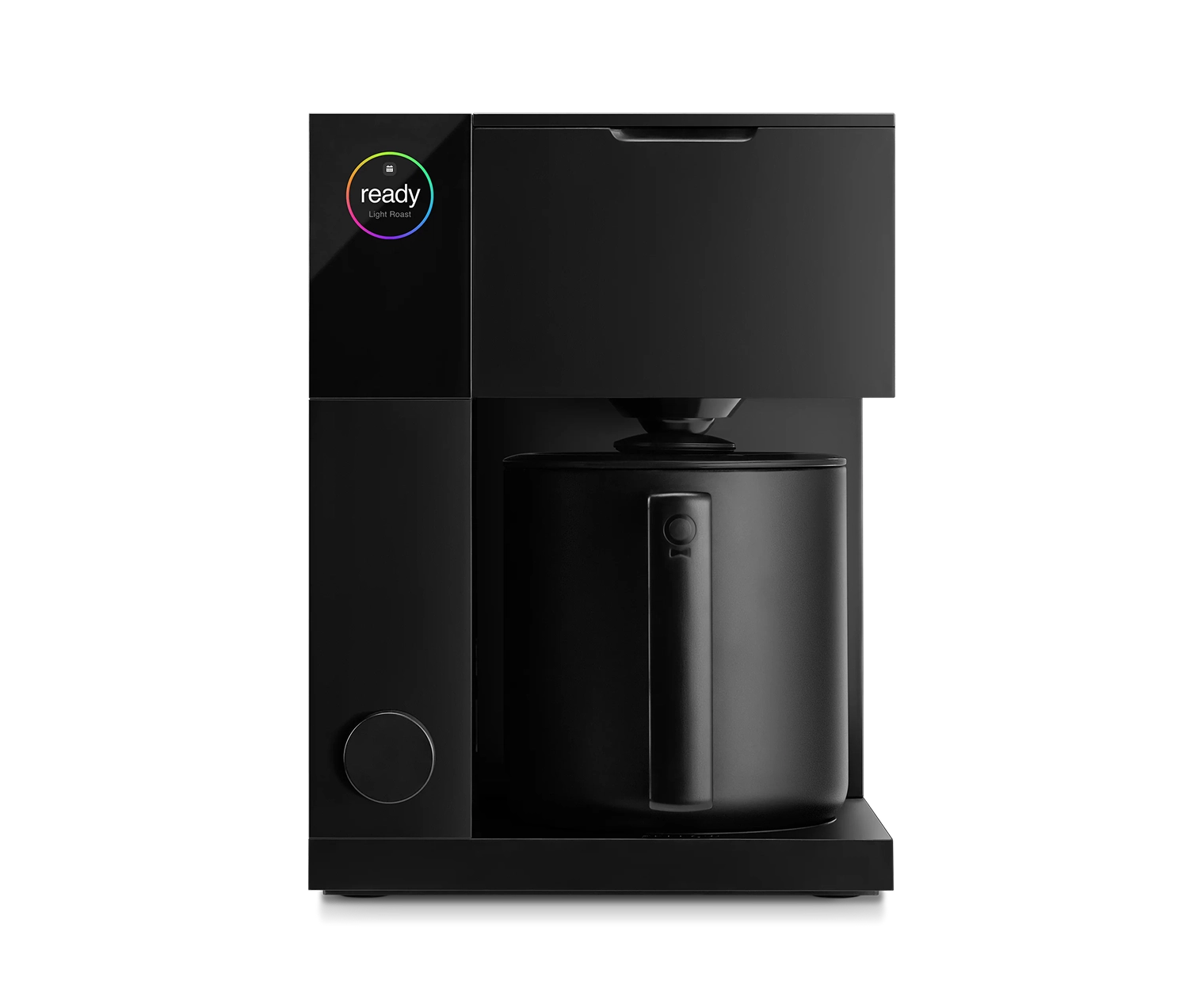
An app-enabled drip system with precise temperature curves, programmable bloom and pulse profiles, and support for both small and large batches.
Pros:
Cons:
Espresso is the most sensitive category: a good grinder and fresh beans matter more than the machine itself.
Best for: New home baristas who want to learn espresso and milk drinks without jumping to prosumer gear.
Compact single-boiler espresso machines with 54 mm portafilters and capable steam wands; the Plus adds automatic frothing.
Pros:
Cons:
Best for: Enthusiasts who like more traditional, mod-friendly hardware and do not mind learning temperature surfing.
A long-running semi-automatic single-boiler machine with a commercial-style 58 mm portafilter.
Pros:
Cons:
If speed and cleanliness matter more than absolute flavor, pod machines are still the most realistic option.
Best for: Small kitchens, offices, and casual espresso drinkers who want a tiny machine that “just works.”
A compact Nespresso Original-line capsule machine with 19-bar pump and two programmable cup sizes.
Pros:
Cons:
These exist for households where one person wants drip and another wants pods, or where there is only space for one machine.
Best for: Families or small offices with mixed preferences and limited countertop space.
Machines that accept both ground coffee for drip and K-Cup-style pods, often with multiple sizes and brew styles.
Pros:
Cons:
Superautomatics grind, dose, tamp, and pull shots at the push of a button. They are great for convenience-driven buyers with higher budgets, but not for people who enjoy tinkering.
Best for: Buyers who want one-touch milk drinks and espresso without paying Jura flagship prices.
Bean-to-cup machines with built-in grinders and milk systems. Good coffee, sensible pricing.
Pros:
Cons:
Best for: High-budget buyers who want café-style hot and cold drinks, maximum convenience, and premium design.
Jura’s flagship home superautomatic with automated grinder calibration, a wide drink menu, and true cold-brew extraction capability.
Pros:
Cons:
| Use Case | Typical Budget | Effort Level | Best Picks |
|---|---|---|---|
| Learn brewing on a tiny budget | Under $50 | High (manual) | Hario V60, AeroPress Original |
| Simple daily drip | $50–$100 | Low | Basic programmable machines |
| Serious home drip | $150–$300 | Low–medium | Moccamaster, OXO Brew, Ninja CM401 |
| Smart drip for geeks | $350–$450 | Low–medium | Fellow Aiden |
| Beginner espresso | $300–$600 (machine only) | Medium–high | Breville Bambino, Gaggia Classic Pro |
| Capsule convenience | $100–$200 | Very low | Nespresso Essenza Mini |
| One machine for pods and drip | $200–$400 | Low | Ninja DualBrew |
| Push-button espresso and milk | $800–$3,000+ | Very low | De’Longhi Dinamica Plus, Jura Z10 |
Start with honest answers to the four questions above. If you want zero effort and unlimited budget, the Jura Z10 delivers café drinks at the touch of a button. If you want to learn and experiment, a Hario V60 or AeroPress will teach you more about coffee than any expensive machine.
For most people, a Moccamaster or Fellow Aiden hits the sweet spot: excellent coffee with minimal daily friction. And remember—a good grinder elevates any machine, so budget accordingly.